FOR CHARLES HOLLIS JONES
“The Incredible Mister Lucite”
Charles Hollis Jones is an American artist & furniture designer known for his pioneering use of acrylic & Lucite.
Born in Indiana in 1945, Charles Hollis Jones designed furniture for his parent’s home when he was a teenager. Initially working with glass this was soon smashed by the recently developed acrylic.
Acrylic was invented 15 years before CHJ was born, in 1930, by British chemist William Chalmers.
In 1936, DuPont patented `Lucite`.
In World War II, acrylic was put to good use in aircrafts however Post War use of the new material was limited to novelty items like costume jewelry.
At 16 CHJ moved to Los Angeles to work for the West Hollywood Hudson-Rissman design showroom.
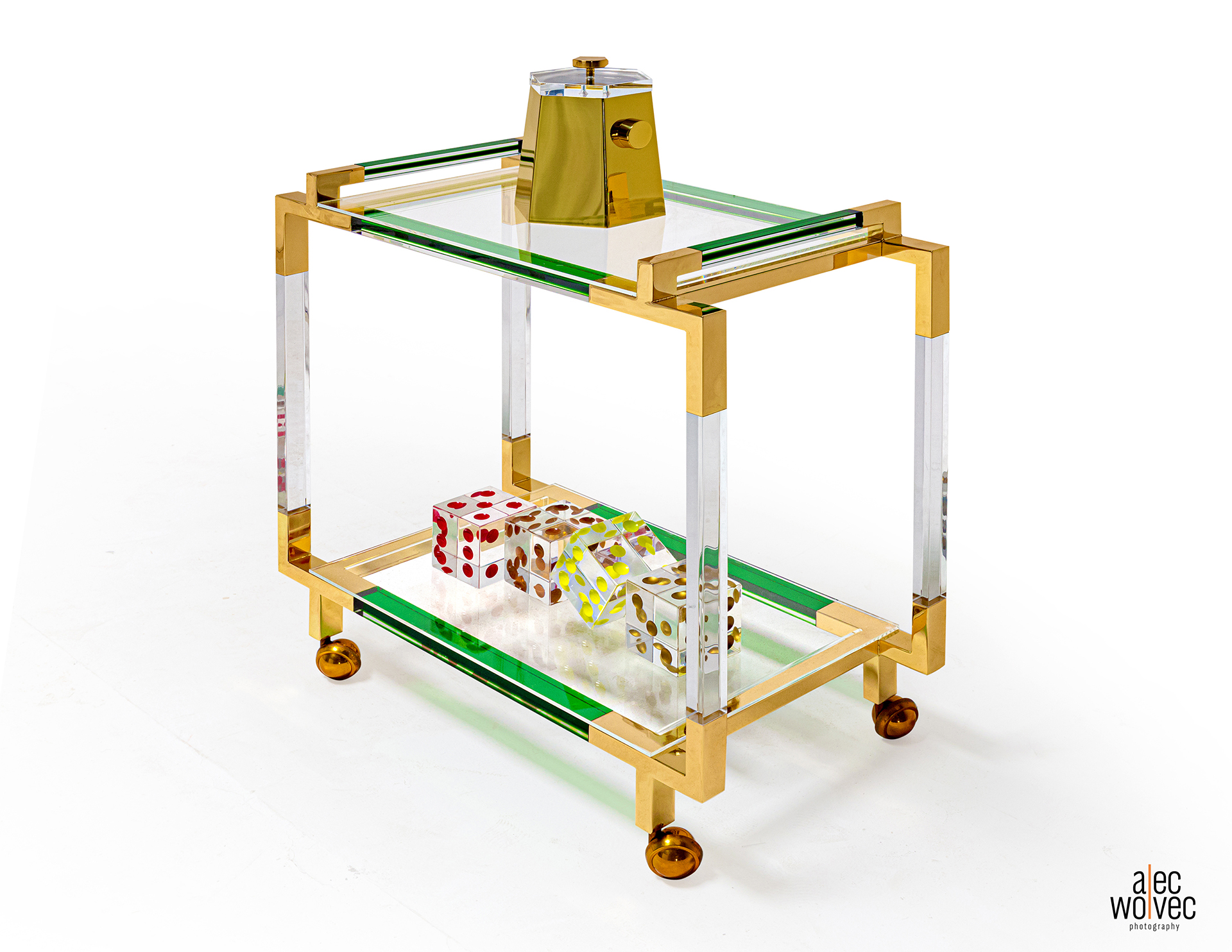
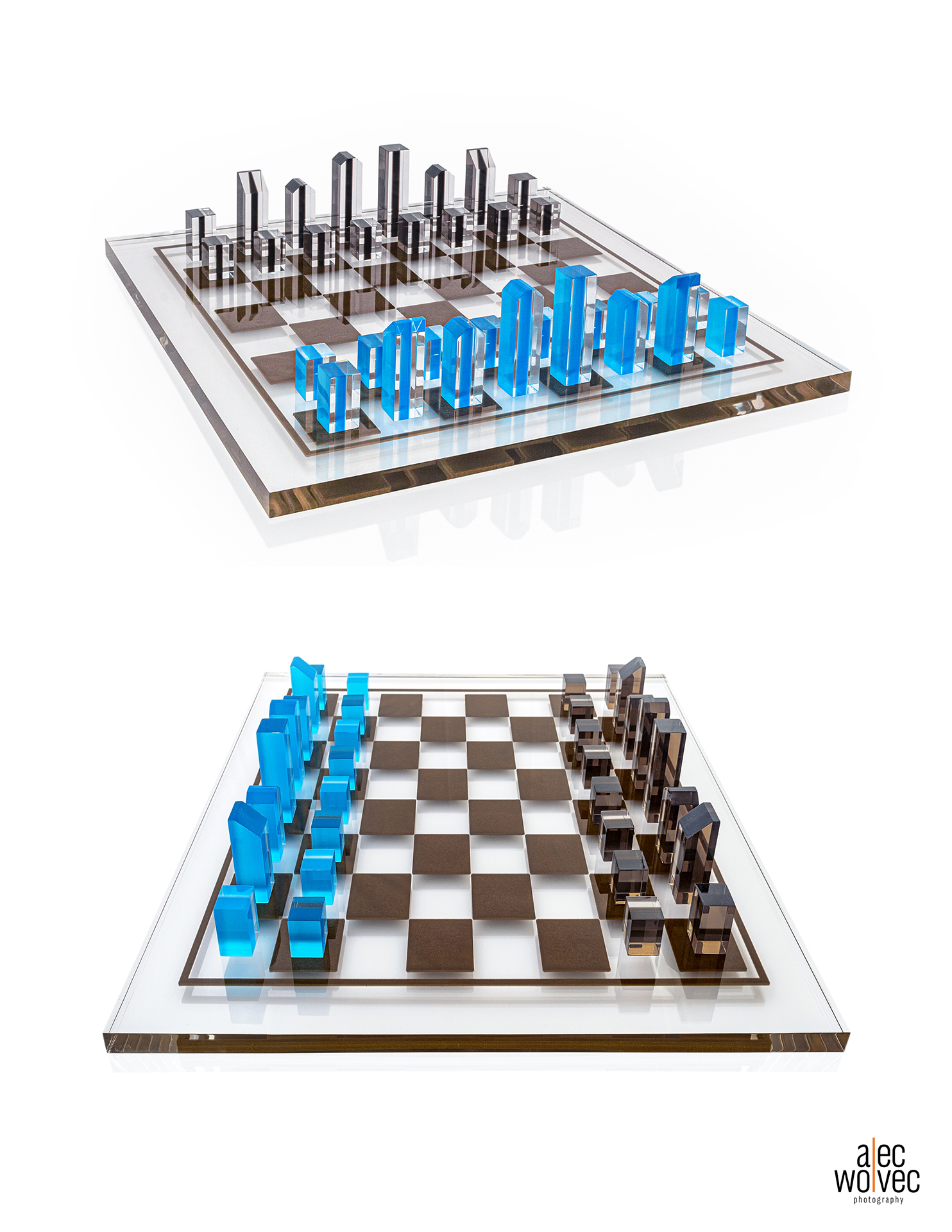
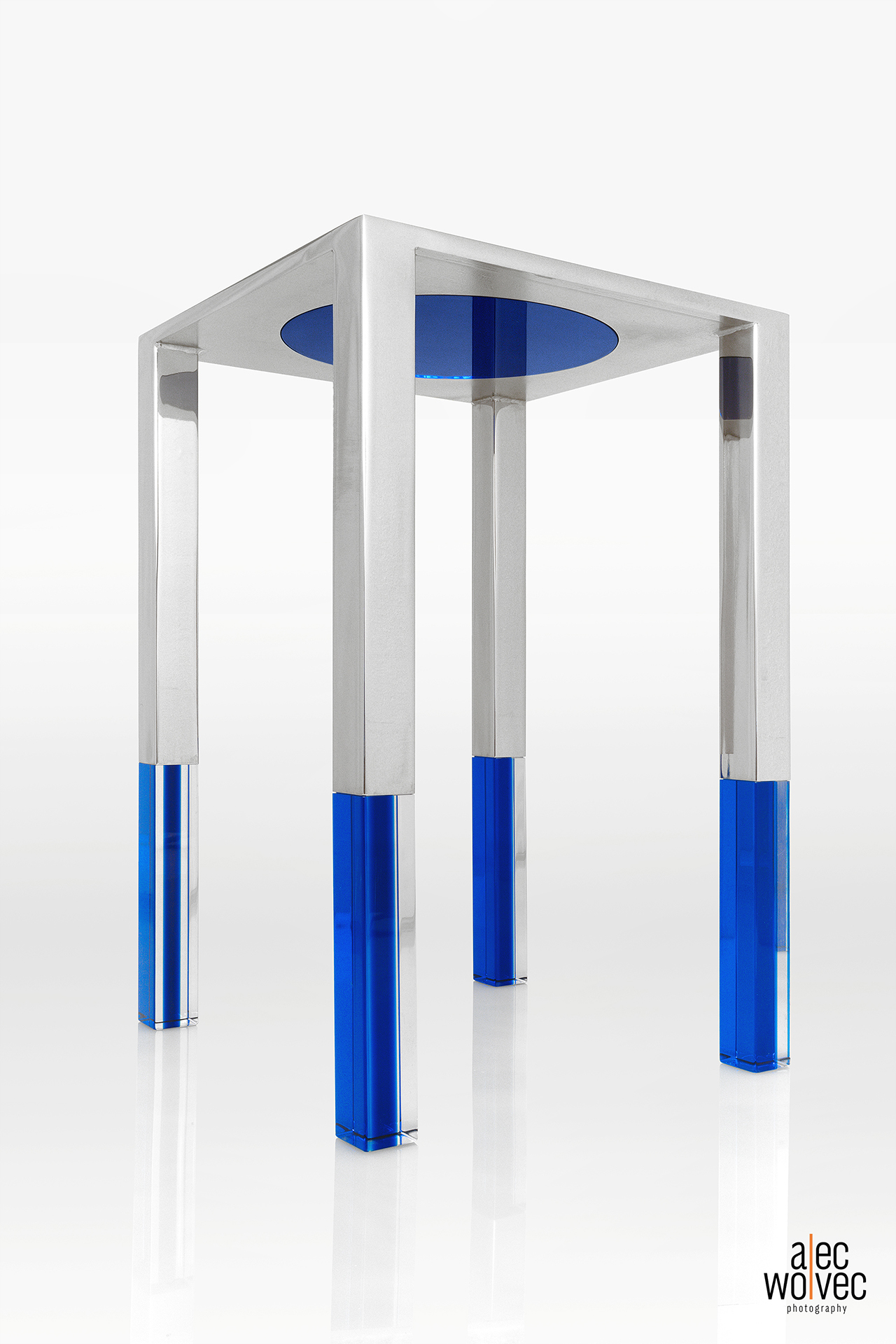
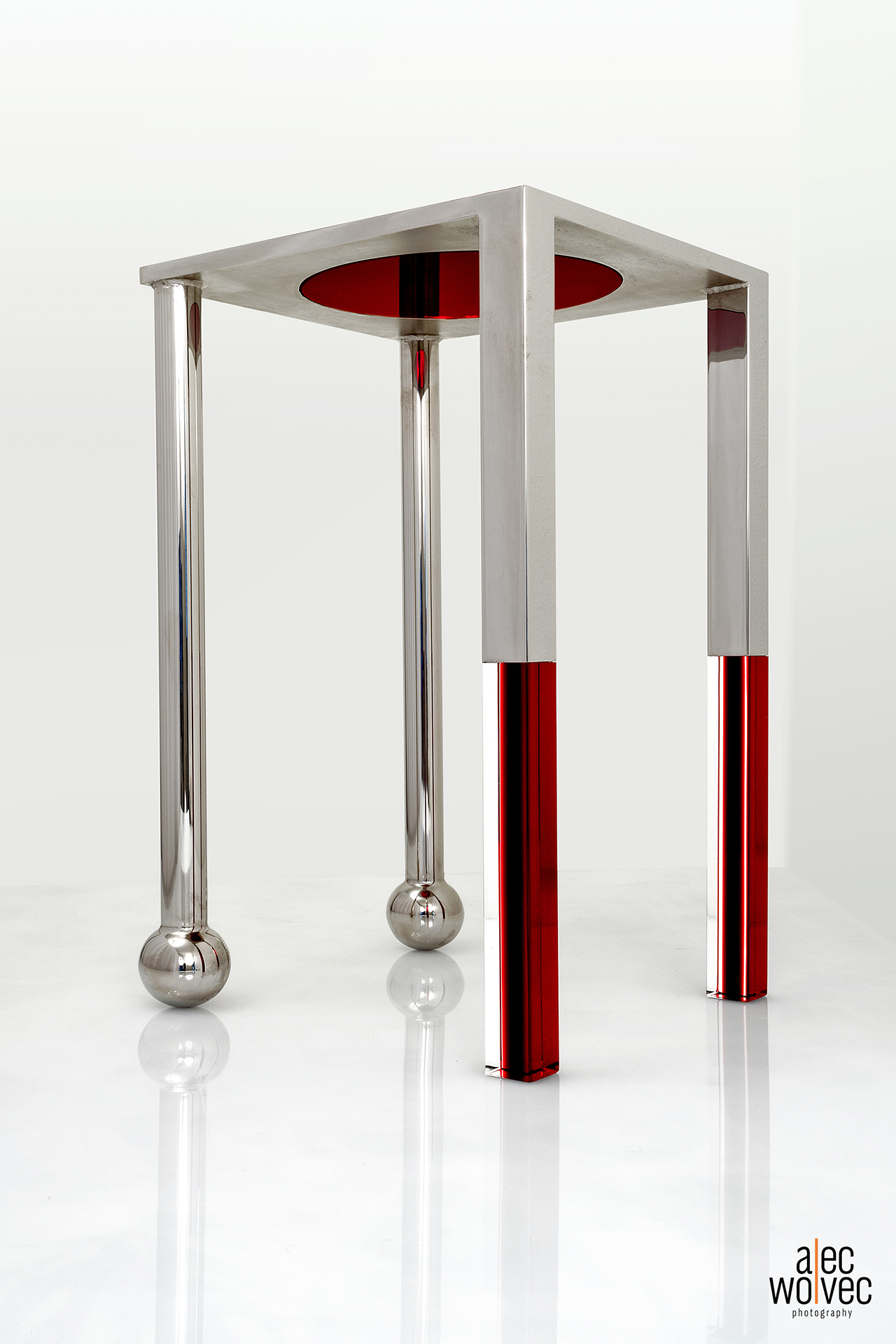
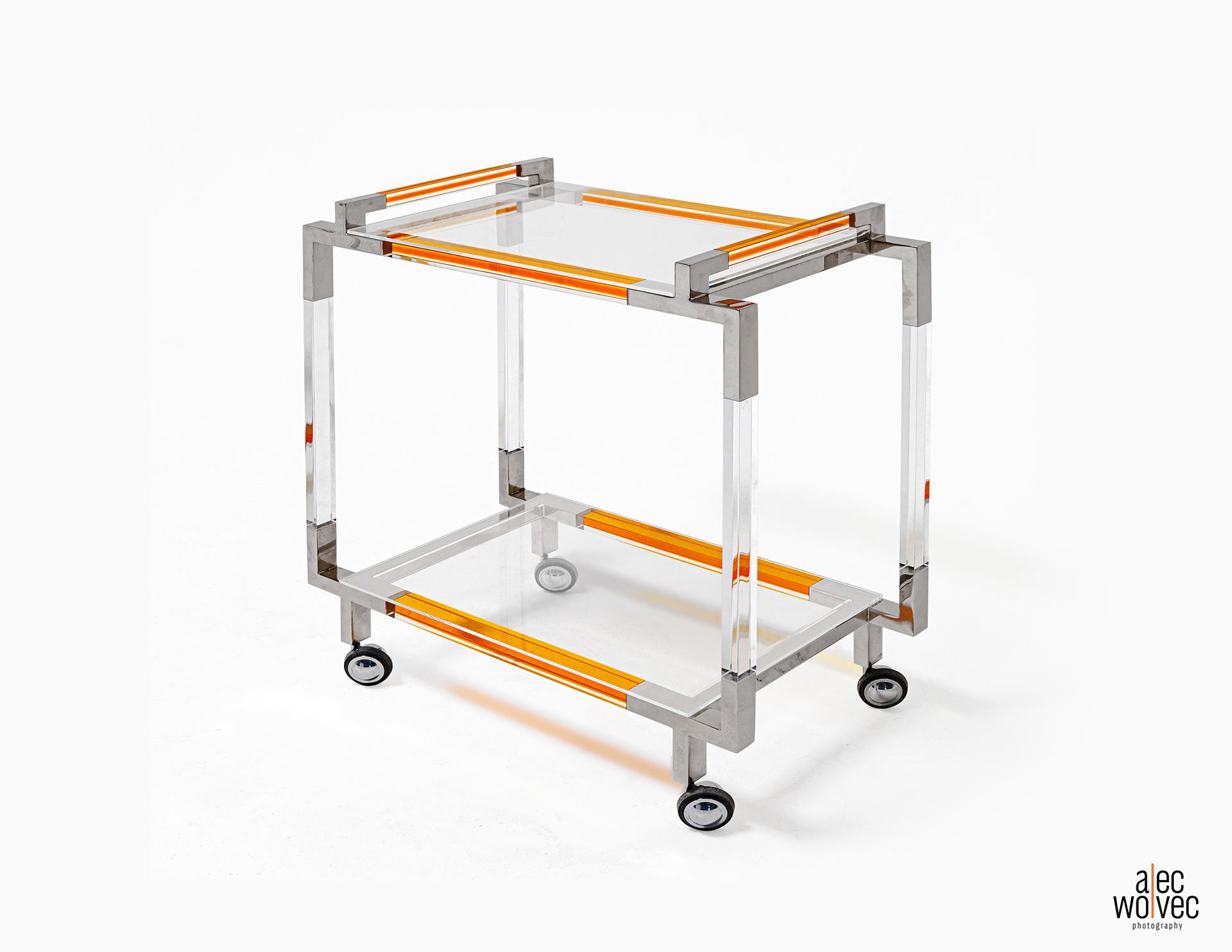
Here he built up experience before attending the Art Center College of Design in Los Angeles. Below is an example of Jones` early work.
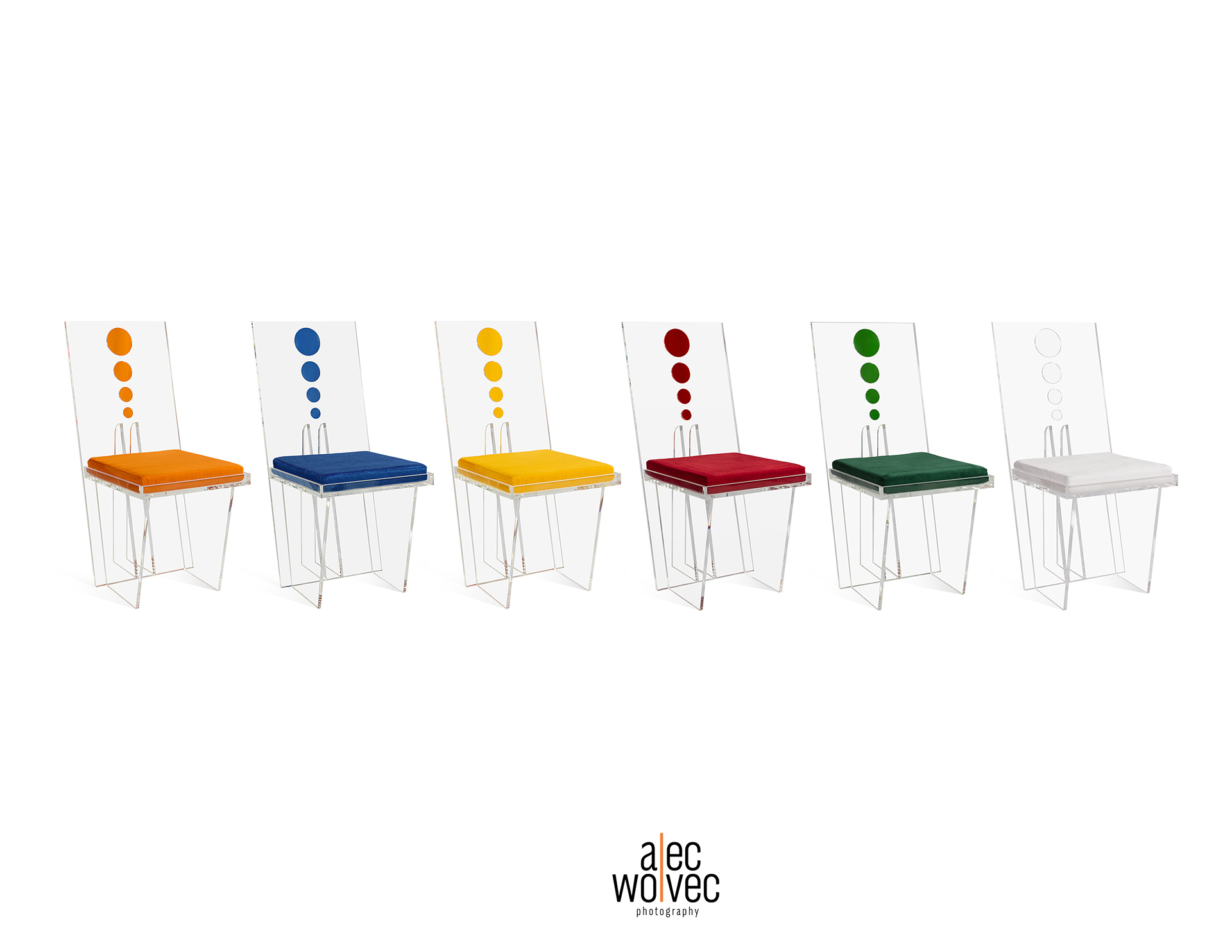
In the years that followed Jones’ made Lucite his signature medium, changing Lucite from kitsch to cool.
His client list included Lucille Ball, Dean Martin, Johnny Carson & Frank Sinatra.
In 1970, after having fully established himself in the design world, Charles Hollis Jones opened his own showroom `Charles Hollis Jones Designs`.
During this time he pioneered techniques for joining large Lucite castings in perfectly transparent & seamless joints.
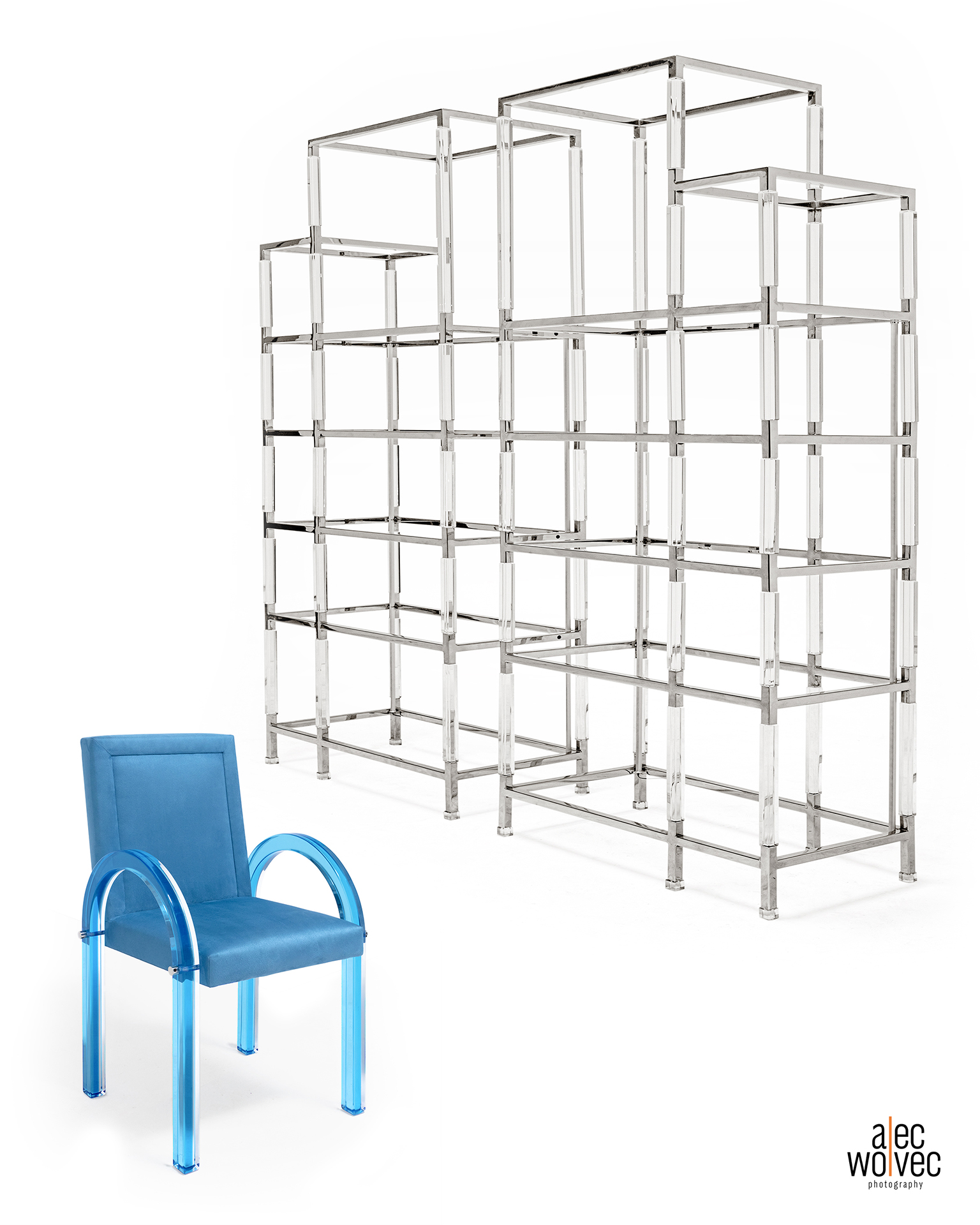
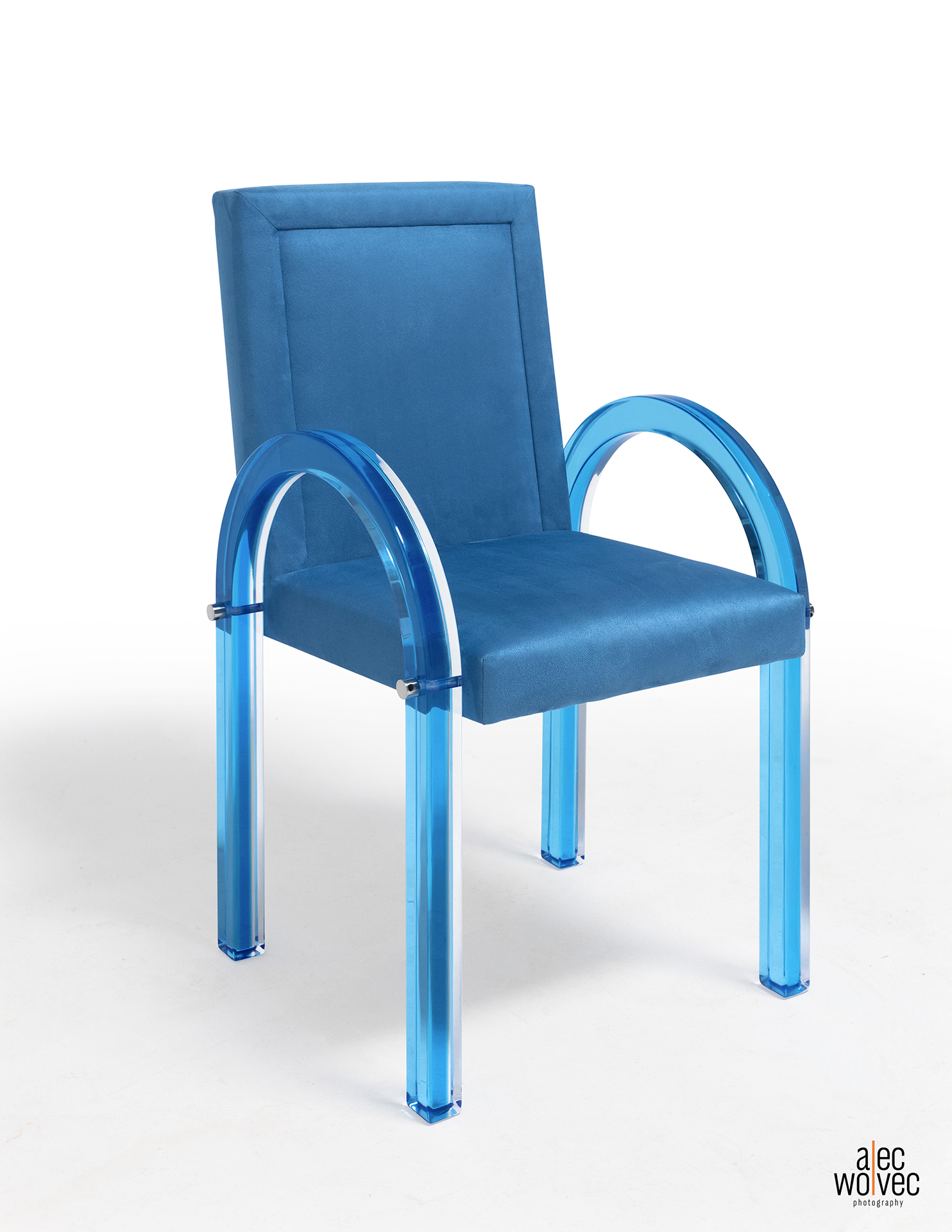
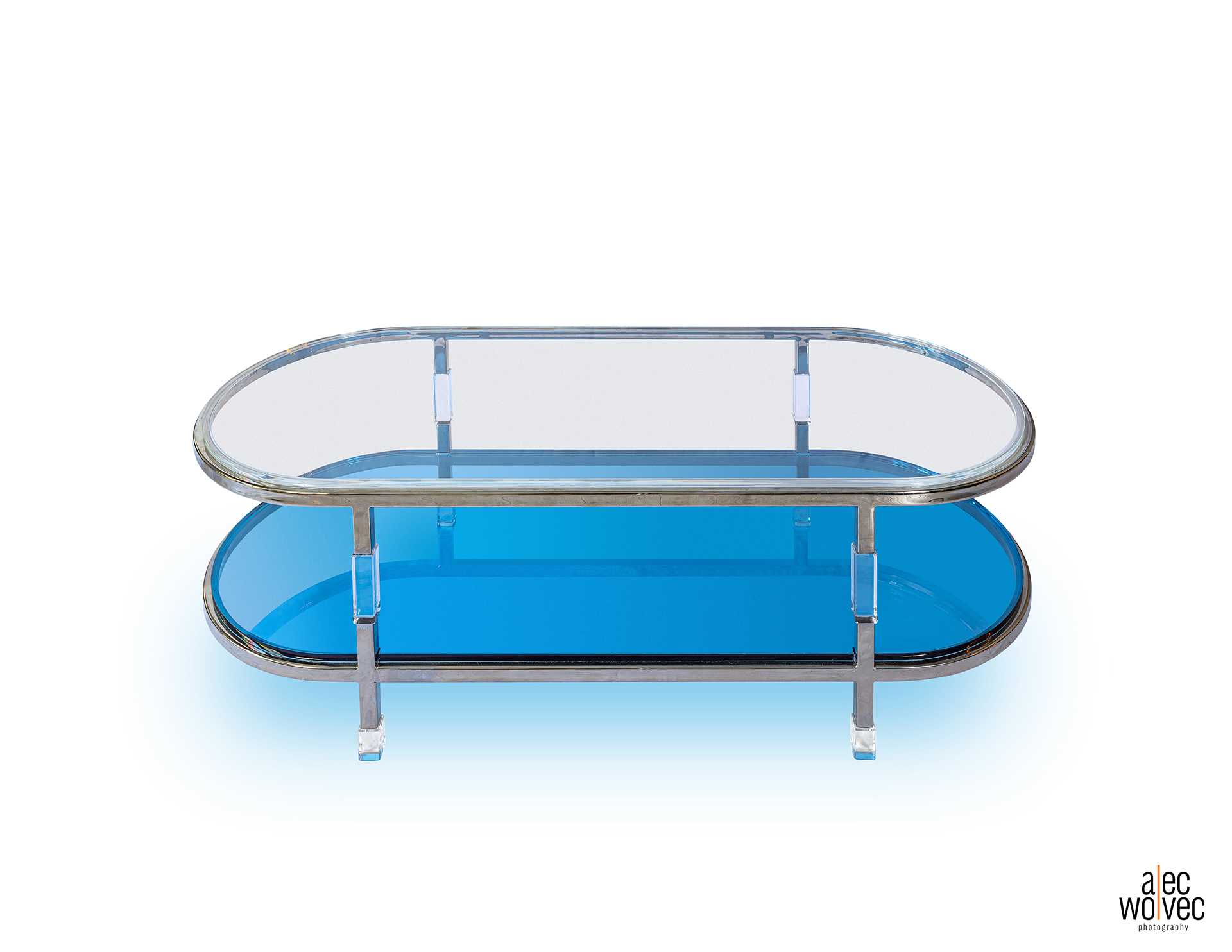
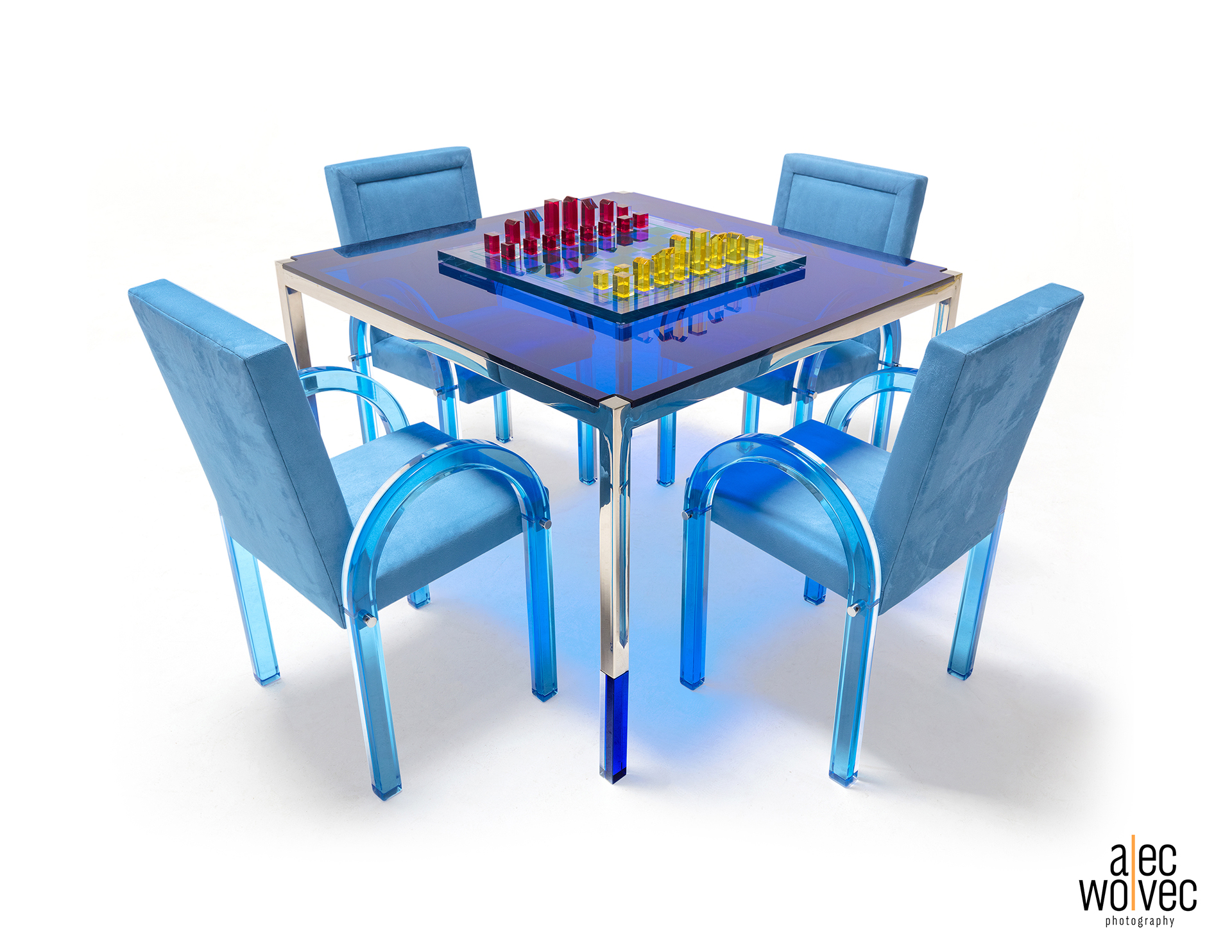
By virtue of these techniques, as well as Lucite’s structural & physical properties, Jones created improbable pieces that not only attain aesthetically impressive forms, but also refract & radiate light, almost acting like a lens on the interior.
CHJ exploited Lucite`s unique `light absorbing` & refracting qualities different from glass thereby rendering his pieces almost ethereal.
Throughout his career, Charles Hollis Jones has received many awards, most recently the 2007 nomination for the Lifetime Achievement Award by the Cooper-Hewitt National Design Museum.
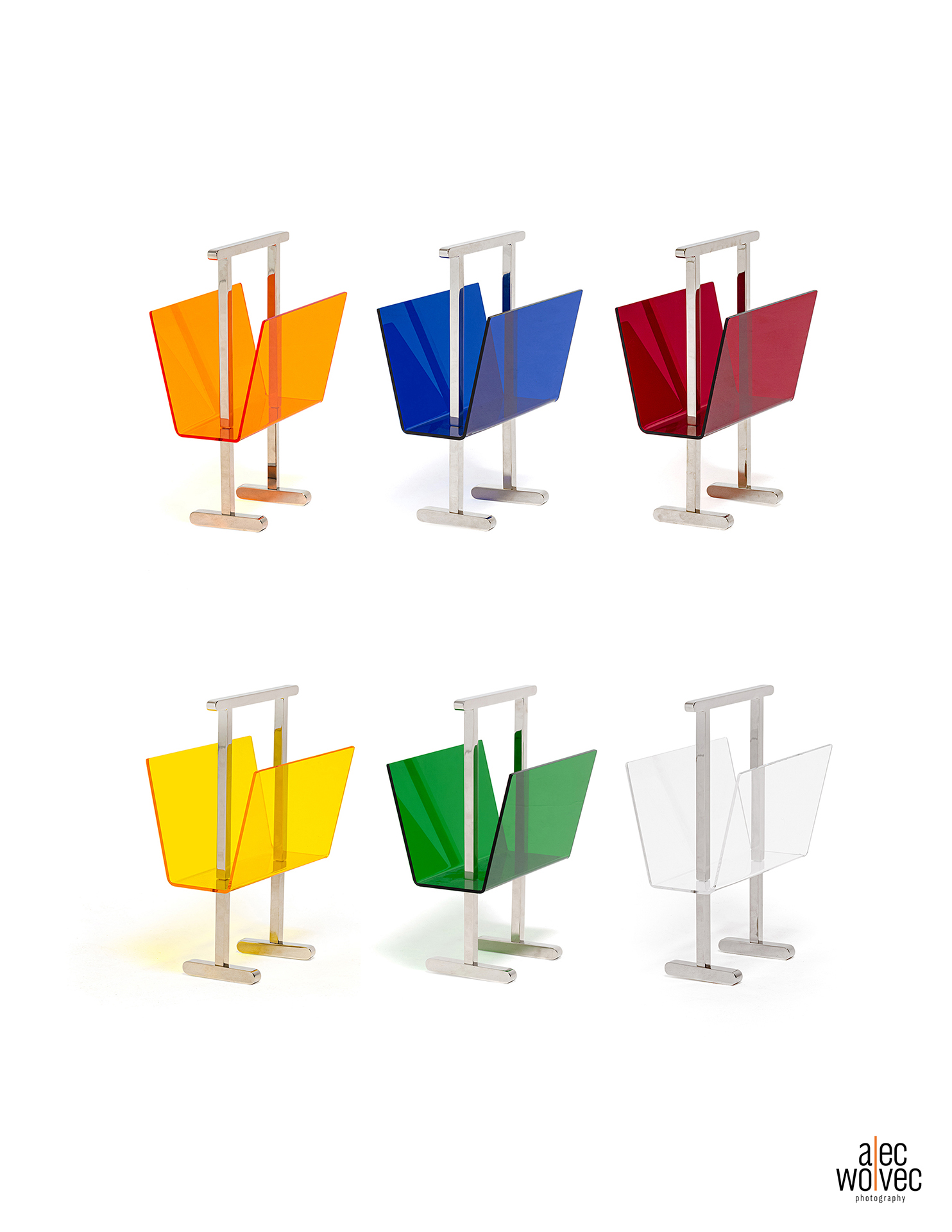
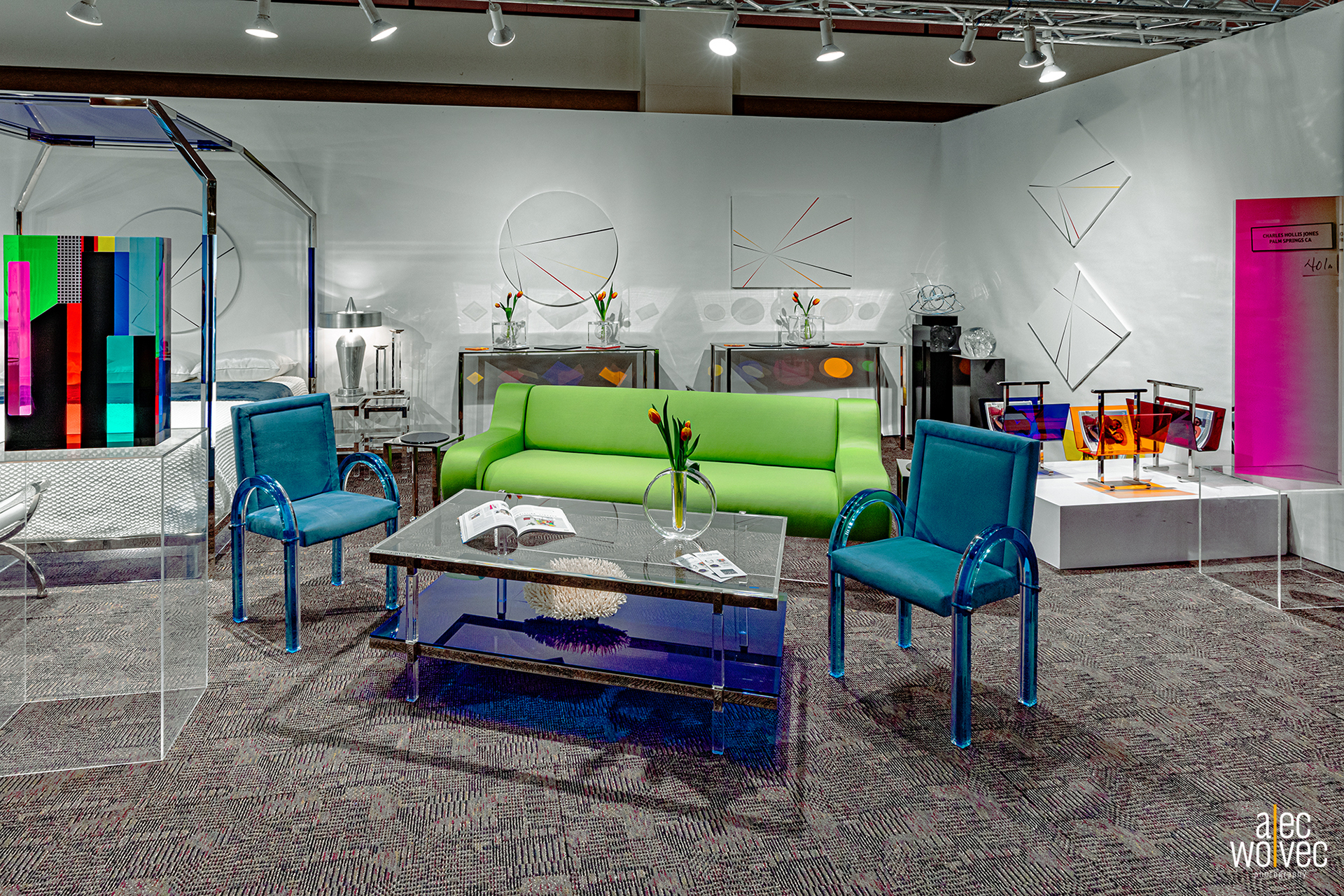
As a photographer, I’ve had the honor of working with Charles Hollis Jones on several projects, documenting his pieces and the way they occupy space and light.
Photographing Lucite requires precision—clarity, reflection, and refraction can overwhelm a frame—but CHJ’s work rewards that challenge.
Each session deepened my appreciation for the technical rigor behind the apparent weightlessness of his designs, and for the quiet sophistication they bring to an interior.